Madagascar, the island of diversified natural wealth, is an important player on the global export scene. This country is rich in agricultural, mining and marine resources that attract the attention of international markets. In this article, we will explore the process of exporting Malagasy products in detail, focusing on key steps, challenges faced and strategies for effective breakage management.
Harvesting Products
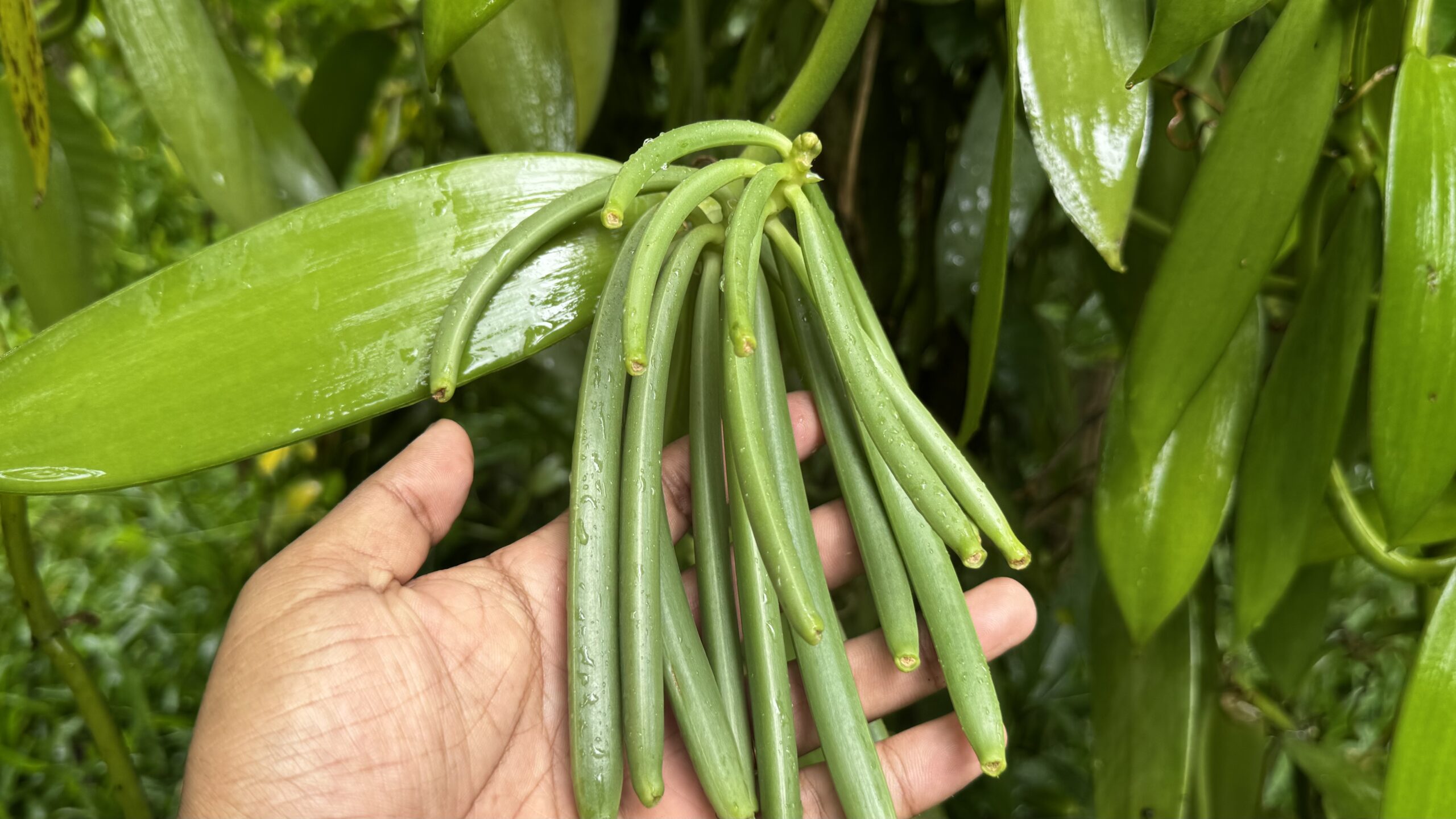
The first step in the process of exporting Malagasy products begins with the harvest. Madagascar enjoys a climate conducive to a wide variety of crops, from exquisite vanillas to aromatic spices to succulent tropical fruits. Local farmers, often small family farmers, play a crucial role in the production of these foods. However, the quality and quantity of harvests may vary due to factors such as unpredictable weather conditions and logistical challenges in remote areas.
Sorting and Processing of Products
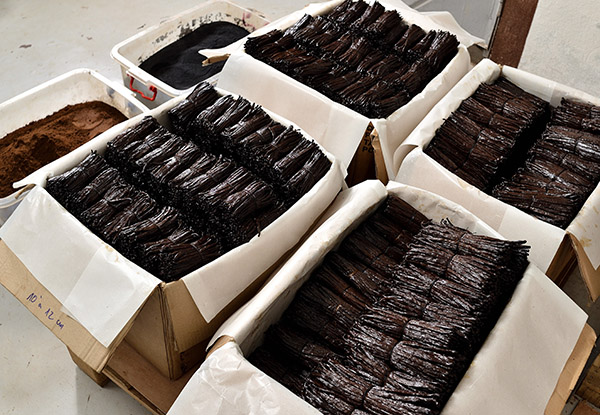
After harvest, the produce is sorted and processed to meet international quality standards. This process includes cleaning, sorting, packaging and sometimes processing to extend the shelf life of the products. Agricultural cooperatives and processing plants play a vital role in this phase by providing the expertise and facilities needed to prepare products for export.
Scrapyard Management: Challenges and Solutions
1. Logistical Challenges
One of the main challenges in managing breakages when exporting Malagasy products is logistics. As Madagascar is an island, transporting products from rural areas to ports can be difficult and expensive. Limited and sometimes outdated transportation infrastructure can cause delays and product loss along the way. To overcome this challenge, investments in improving roads, ports and transport services are needed.
2. Quality Control
Another major challenge is quality control throughout the supply chain. International quality standards are strict, and any deviation may result in product rejection upon import. It is crucial to establish rigorous quality control protocols right from the harvest stage to final shipment. This involves training farmers on good agricultural practices, as well as establishing quality control laboratories equipped to test products.
3. Inventory Management
Inventory management is also a critical aspect of breakage management. Agricultural products have a limited shelf life, and any excess unsold stock can result in significant financial losses for producers and exporters. Careful demand planning, efficient inventory rotation and computerized inventory management systems can help minimize losses due to overproduction or expired products.
Shipping to International Markets
Once the products are sorted, processed and packaged to the required standards, they are ready to be shipped to international markets. This phase involves close coordination between exporters, shipping or airline companies, freight forwarders and customs authorities to ensure smooth and rapid transit of products to their final destination. Accurate and complete export documents are essential to avoid delays and complications during customs clearance.
The export process of Malagasy products is a complex journey, from the field to the plate of international consumers. Despite the challenges faced, such as logistical constraints and strict quality requirements, Madagascar continues to thrive as a global supplier of high-quality agricultural products. Effective breakage management throughout the supply chain is essential to guarantee the success and sustainability of this vital industry for the Malagasy economy.



 contact@finest-vanilla.com
 Tananarive-102 Madagascar